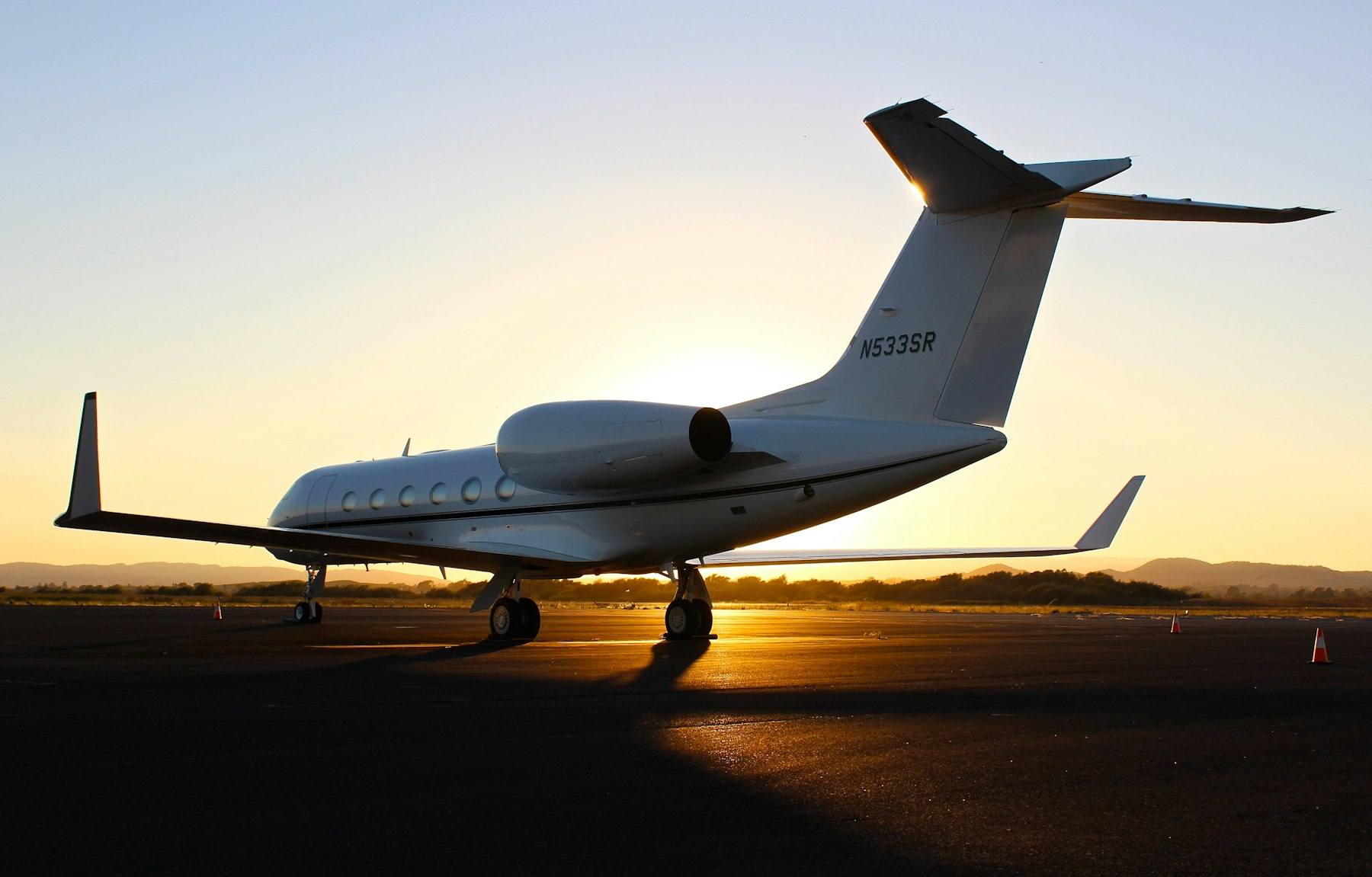
BRING BACK THE PAINT.
Send a few photos of the worst area and the aircraft type. We will tell you honestly whether correction is the right call.
Correction Grade
Washing gets an airplane clean. Correction is what brings back the paint underneath: the chalk, the swirl marks, the oxidation and the etching that no amount of washing will touch. Mobile across the Bay Area and Central Valley.
Performed at your hangar or tie-down across the Bay Area and Central Valley
What Correction Is
Most aircraft paint that looks finished is not. What owners read as faded paint is usually a thin damaged layer sitting on top of a sound one: oxidized clear coat, embedded contamination, swirl marks from years of dry-wiping, and etching from bugs, bird droppings and exhaust residue. Correction removes that layer mechanically and exposes the good paint underneath.
That is also the limit of what correction can do. Paint that has failed through to primer, filiform corrosion working out from a fastener, or a repaint that was applied badly are not correction problems. We will tell you which one you have before quoting, not after.
Two differences matter. Aircraft paint is applied thin, deliberately, because weight is a design constraint, so there is far less material to work with than on a car. And an airframe is covered in things you cannot polish over: rivets and fastener heads, lap joints, static ports, pitot tubes, antennas, drain holes, composite panels, control surface gaps and registration markings. Aggressive machine work at a rivet line burns through paint at the high point almost immediately.
The practical result is that correction on an airframe is a conservative process. We use the least aggressive combination that removes the defect, we test on a small section first, and we work by hand where a machine does not belong.
The Process
We look at the airframe in good light and work out what is actually wrong: oxidation, embedded contamination, swirl marks, etching, or paint that is simply at end of life. A test section tells us how the paint responds before we commit to a process.
Wash, degrease and clay. Clay pulls out embedded contamination that washing leaves behind. Polishing over embedded grit drags it across the paint, so this step is not optional.
Machine compounding to remove the defect layer, then a refining polish to bring back gloss. Least aggressive method that works, tested first, and hand work anywhere a machine should not go.
Bare corrected paint is unprotected paint. We finish with an SiO2 sealant, or a full multi-year ceramic coating if you want the protection to outlast the season.
Before any product touches the airframe we mask static ports, pitot tubes, drains, vents, antennas and any placard or registration marking at risk. Compound and polish residue in a static port is a pitot-static problem, not a cosmetic one. We also keep machine work away from control surface gaps and hinge lines.
Correction earns its cost in three situations. Before sale, because paint condition drives the first impression and the first impression drives the offer. Before a ceramic coating, because coating over oxidized paint permanently locks the oxidation in. And on an aircraft you intend to keep, because correcting once and then protecting is cheaper over five years than repainting early.
If the paint is going to be stripped and redone inside a year, correction is money you will not get back. If the aircraft lives in a hangar, flies rarely and already looks acceptable, a good wash and sealant will hold it. We would rather tell you that than sell you a correction you do not need.
Correction is priced by aircraft size and paint condition, and condition matters more than size. A light single in fair condition is a very different job from the same airframe after fifteen years on a tie-down. Correction-grade work sits in our Executive package tier. See packages by aircraft size, or read our guide to what aircraft detailing costs.
Common Questions
Polishing refines a surface and adds gloss. Correction removes a damaged layer of paint to eliminate a defect, then polishes to refine what is left. Polishing alone will make oxidized paint shinier for a few weeks without fixing anything underneath.
It depends on depth. If you can catch a scratch with a fingernail it is usually through the clear coat and correction will improve it rather than erase it. Lighter scratches and swirl marks generally come out fully.
Bare and polished metal is a different process from painted correction and is quoted separately. Tell us what the aircraft is when you request a quote.
There is a real risk with aggressive technique on thin aircraft paint, which is why we test a section first, use the least aggressive method that works, and hand-finish around rivets, fasteners and edges. That is also why we will decline correction on paint that is too far gone to survive it.
A light single is typically one to two days. A turboprop or light jet is two to three. Adding a ceramic coating extends that because of cure time before the aircraft flies or gets wet.
Send a few photos of the worst area and the aircraft type. We will tell you honestly whether correction is the right call.